Company Profile
Milantee Japan Co., Ltd. (https://yui-koubou.com/)

Located in Kaga City, Ishikawa Prefecture, the company plans, manufactures, and sells the traditional craft “Kutani ware.”
With a unique background starting in industrial machinery manufacturing, it combines traditional techniques with mold-making using 3D printers and NC processing machines.
In an industry facing a severe shortage of craftspeople, the company is promoting a new approach to manufacturing through “de-skilling (non-artisan processing)” and “digitalization.”
Equipment Used
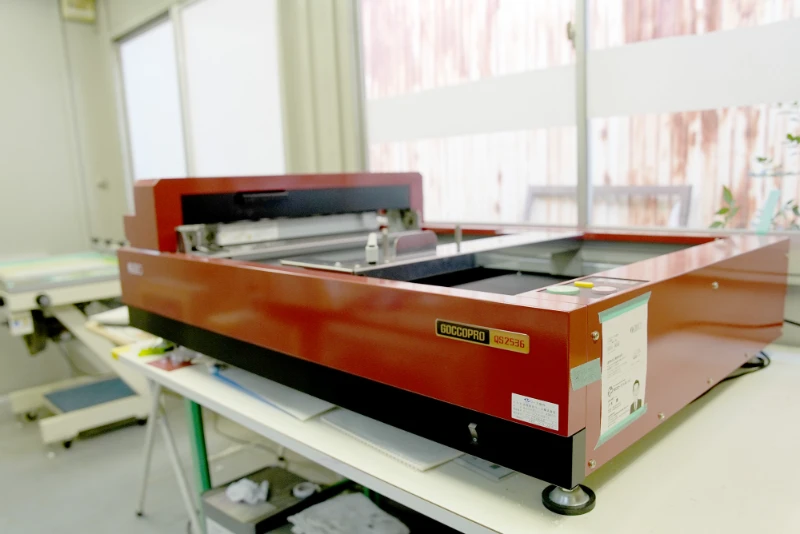
- GOCCOPRO QS2536
GOCCOPRO QS2536
Because it makes screens directly from digital data, it enables speedy and precise screen making without requiring advanced artisanal skills.
It dramatically shortens the lead time for high-mix, low-volume production and prototype development.

Interview
- What prompted the introduction of GOCCOPRO?
- Could you tell us about the unique challenges of Kutani ware and your vision for future applications?
The sense of speed that does not rely on 'artisan skills.' The appeal was that neither a darkroom nor experience is needed.
We usually outsource the screen-making process, but it takes time and costs money, which was a problem because it ruined our sense of speed in developing high-mix, low-volume products.
The starting point for bringing it in-house was our desire to “make screens ourselves, immediately, right when we need them.”
General “emulsion screen making” requires the introduction of darkroom equipment, emulsion coating and drying, exposure, and pinhole correction work, demanding the skills of an experienced artisan and an enormous amount of effort.
In particular, we often handle multi-color printing screens, requiring multiple screens for a single product.
If we tried to internalize this using analog methods, we would need dedicated craftspeople, and the production speed would not increase.
In that regard, with GOCCOPRO, “anyone” can make a “high-quality” screen “immediately,” as long as there is data.
By replacing artisanal skills with digital technology, we can dramatically reduce the time it takes to make a screen and speed up the development cycle.
This was the biggest deciding factor for the introduction.
Challenging the 'Atsumori' (thick printing) and accelerating the development of new materials. We want to expand new possibilities using GOCCOPRO as our weapon.
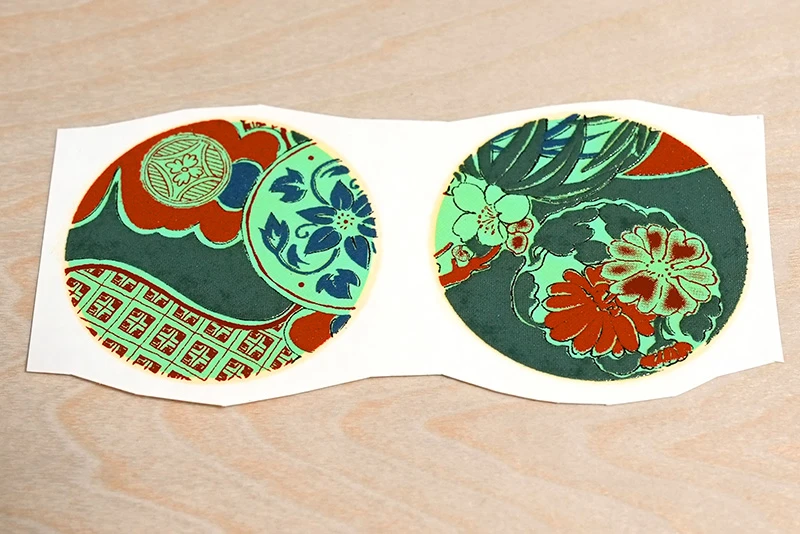
Kutani ware features a unique technique called “Mori,” which involves applying thick layers of paint, and this is directly linked to the value of the product.
Because digital screen-making films are thin, there is inevitably a challenge in achieving ink thickness. However, we are continuing to use trial and error to see how far we can express traditional textures digitally, such as by using different mesh counts and testing overprinting.
In addition, our company has developed a new material called “Qpor,” which has high water absorption and retention properties. We are rolling out products that overturn the conventional wisdom of pottery, such as “freezable vessels” and “aroma diffusers.” Moving forward, we plan to utilize GOCCOPRO for this material as well, to quickly prototype designs and roll out small lots.
Rather than looking for “reasons why we can’t do it,” we are always thinking about “how we can do it.”
As we take on new materials and technologies one after another, we want to make good use of GOCCOPRO’s speed and ease of use to breathe new life into traditional industries.
Photos
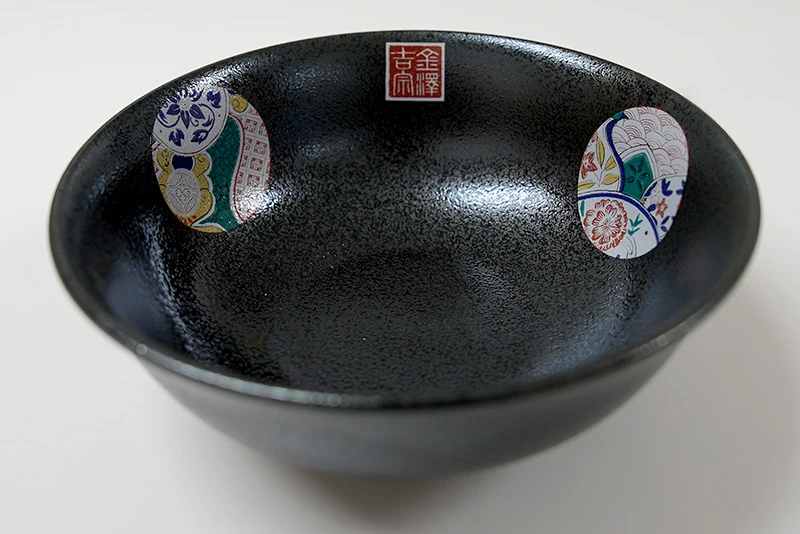
- Ramen shop logo bowl
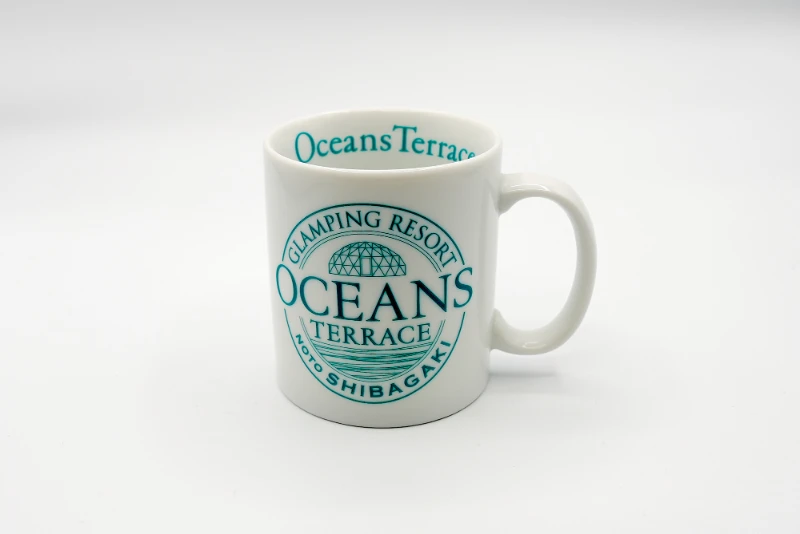
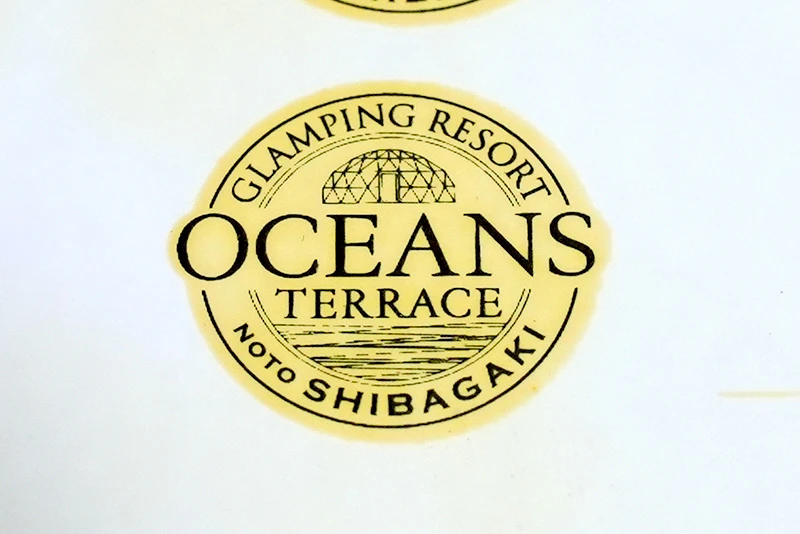
- Accommodation logo mug
- Workspace


Traditional industries are precisely where the DX opportunity lies
The case of Milantee Japan proves how a digital screen maker can bring about “lead time reduction” and “innovation through internalization” in manufacturing sites that are highly dependent on artisan skills.
Accommodating high-mix, low-volume production and applying it to the development of new materials, GOCCOPRO is being utilized not merely as printing equipment, but as a tool to transform business models.